Gabon: a land of wild discovery
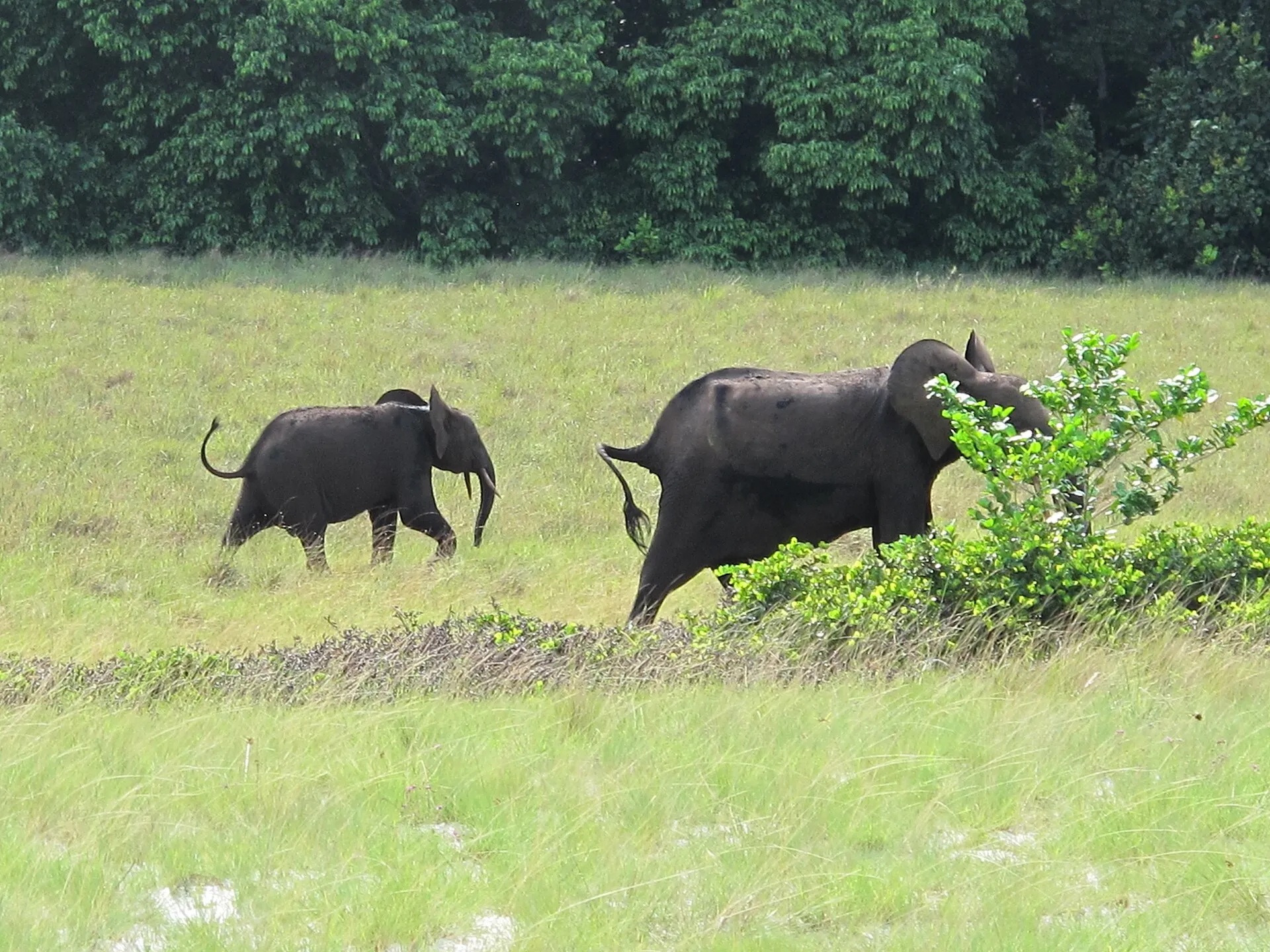
From beaches where elephants roam to the depths of the equatorial forest: explore a natural sanctuary unlike any other.
Plan my tripClose to 88% covered by equatorial forest and home to 13 national parks (managed by the ANPN), Gabon protects an exceptional share of its territory. Two of its sites are inscribed on the UNESCO World Heritage List: Ivindo and Lopé-Okanda.
Our natural treasures
13 national parks protecting one of the richest ecosystems on the planet.
Coastal safariLoango National Park
The land of surfing hippos: where the forest meets the ocean.

Lopé
UNESCO
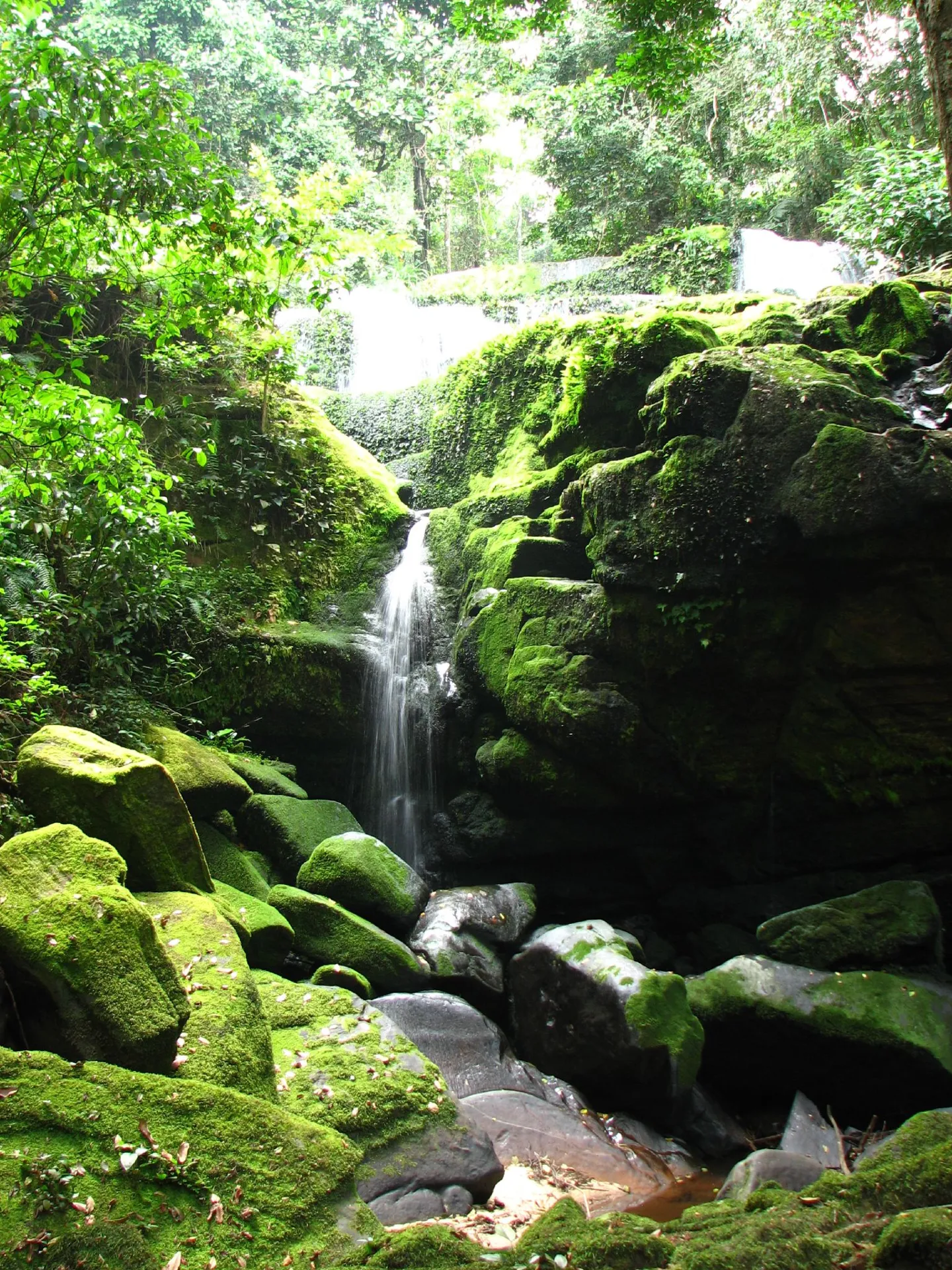
Ivindo
Kongou Falls
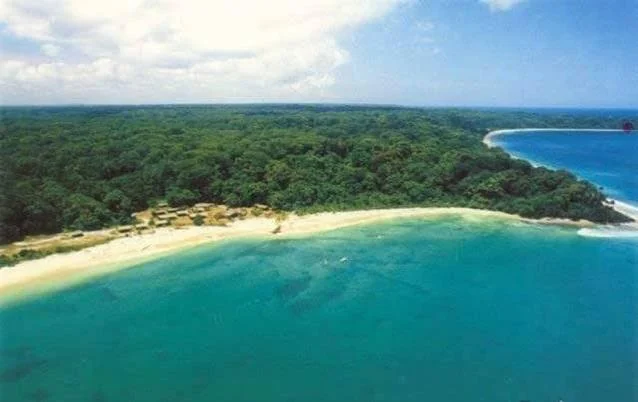
Pointe-Denis & mangroves
Beaches, migratory birds and coastal ecosystems.
Gallery
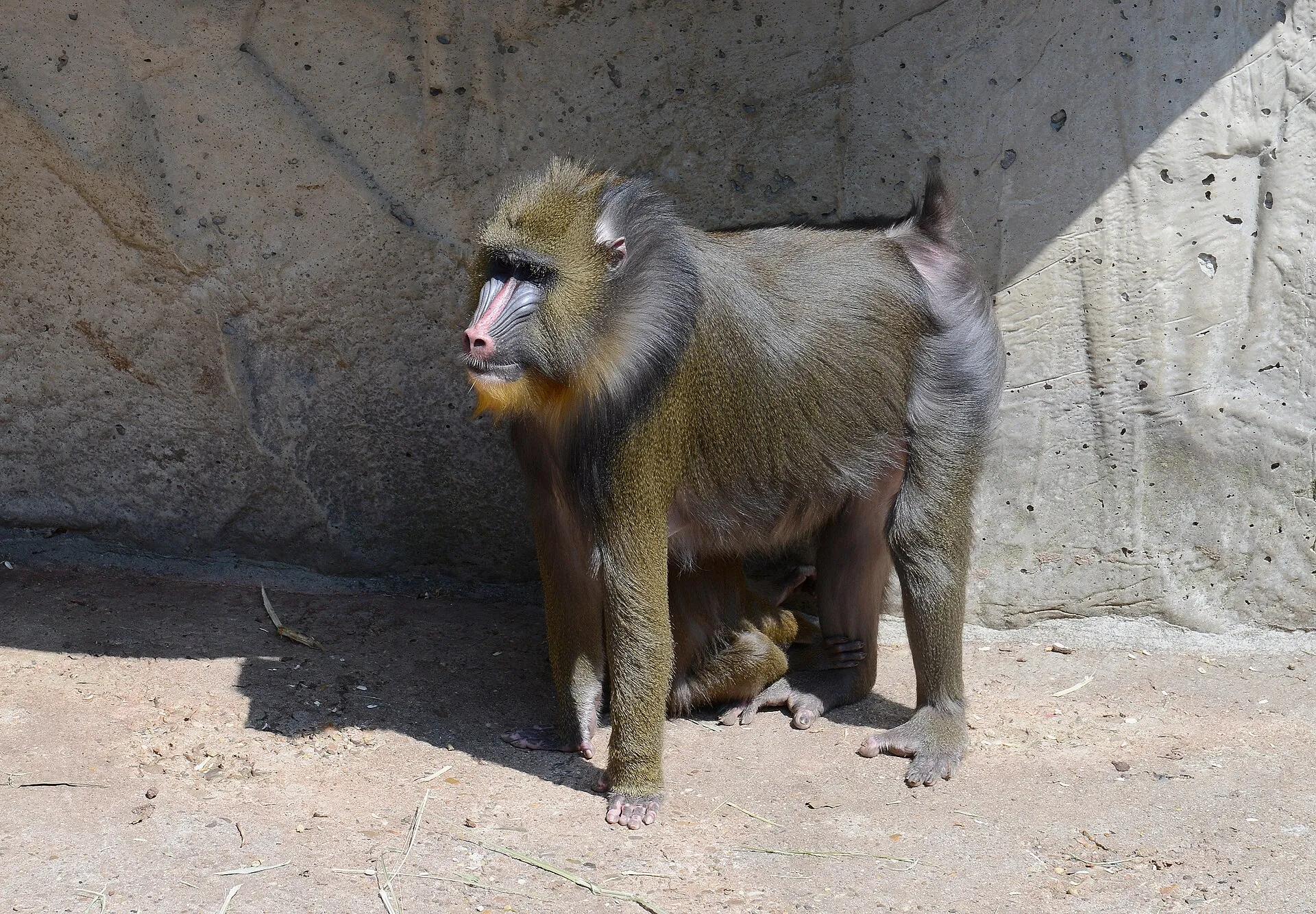
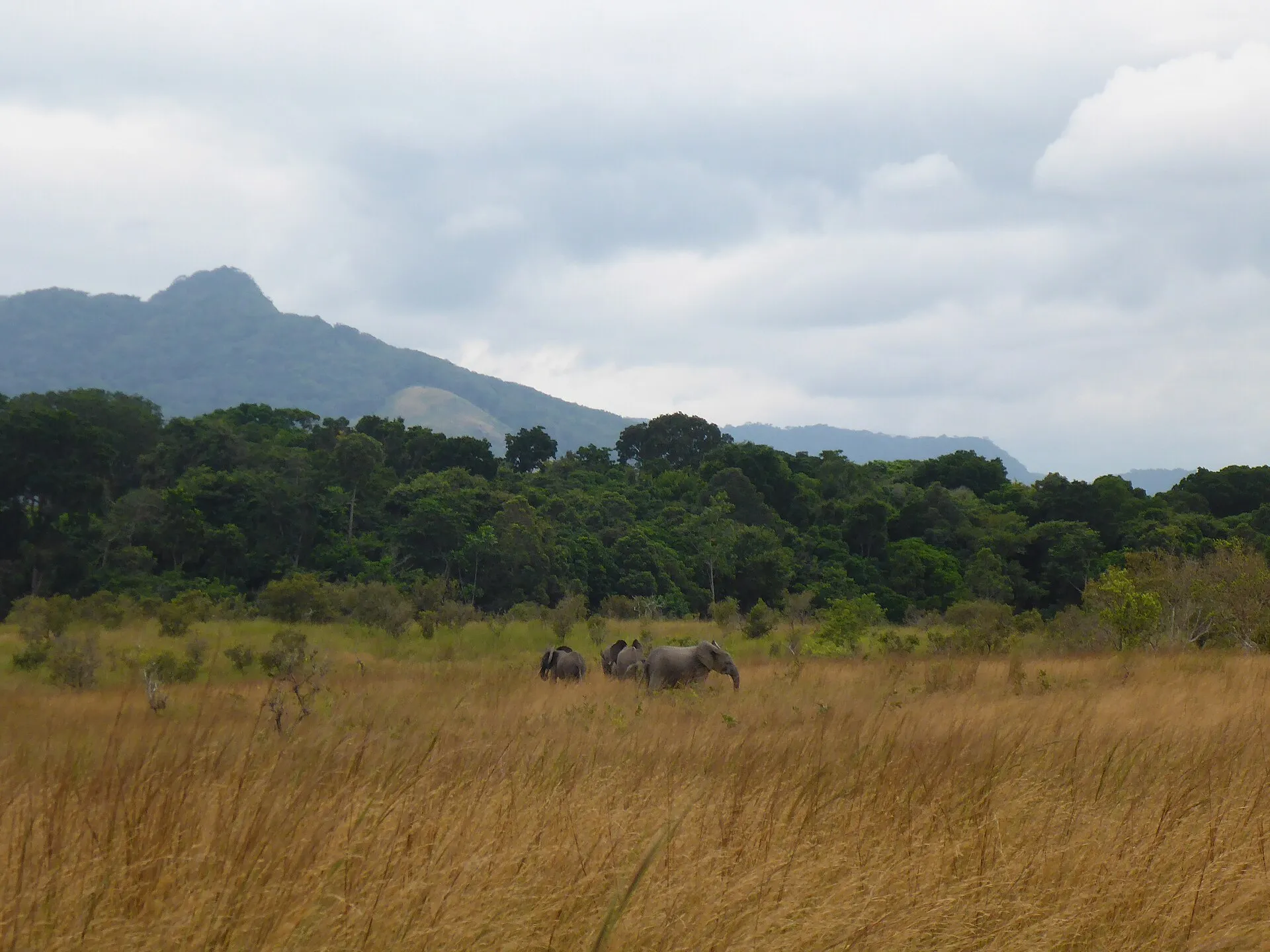
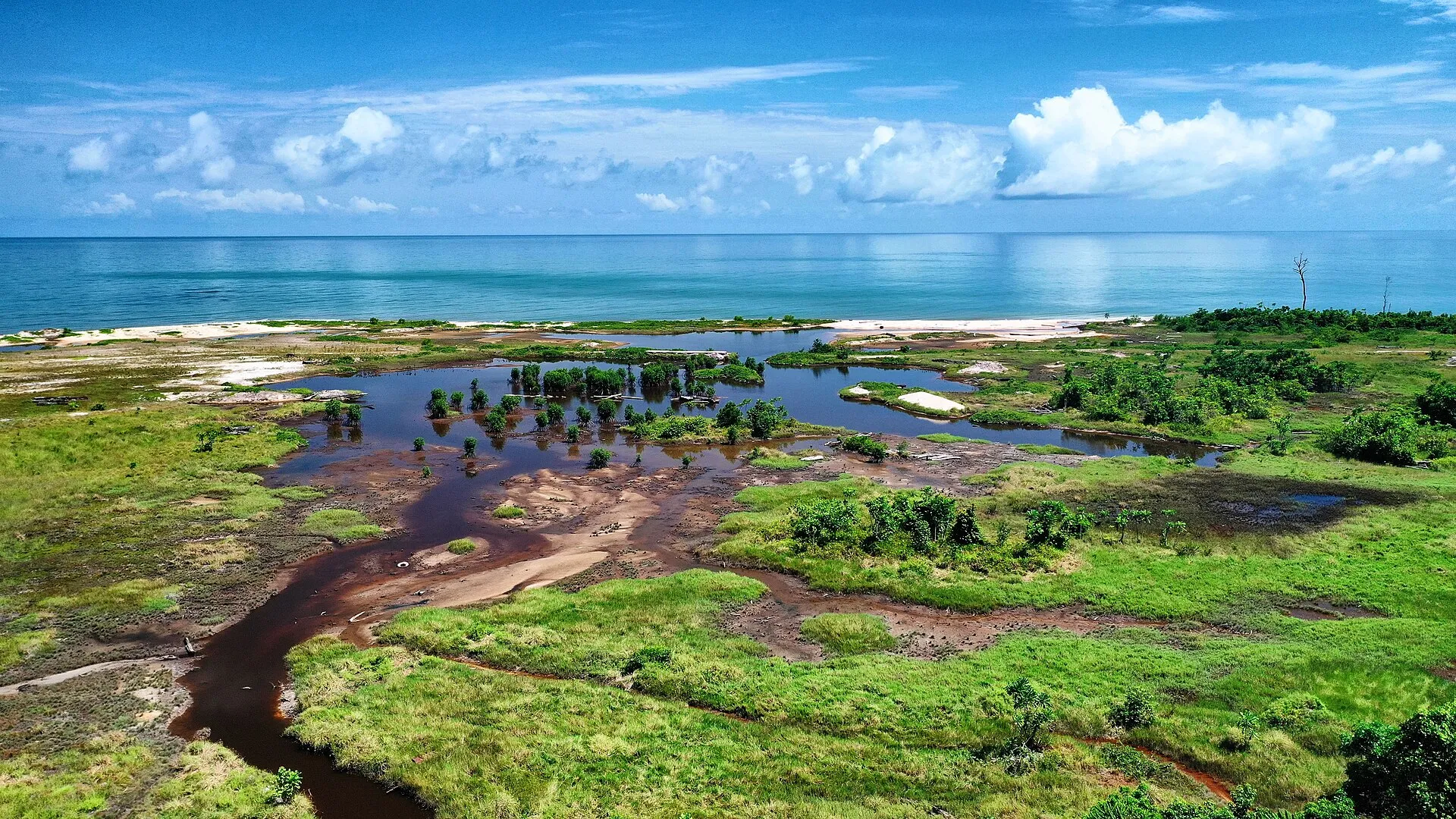
Filter by theme and click an image to enlarge it.
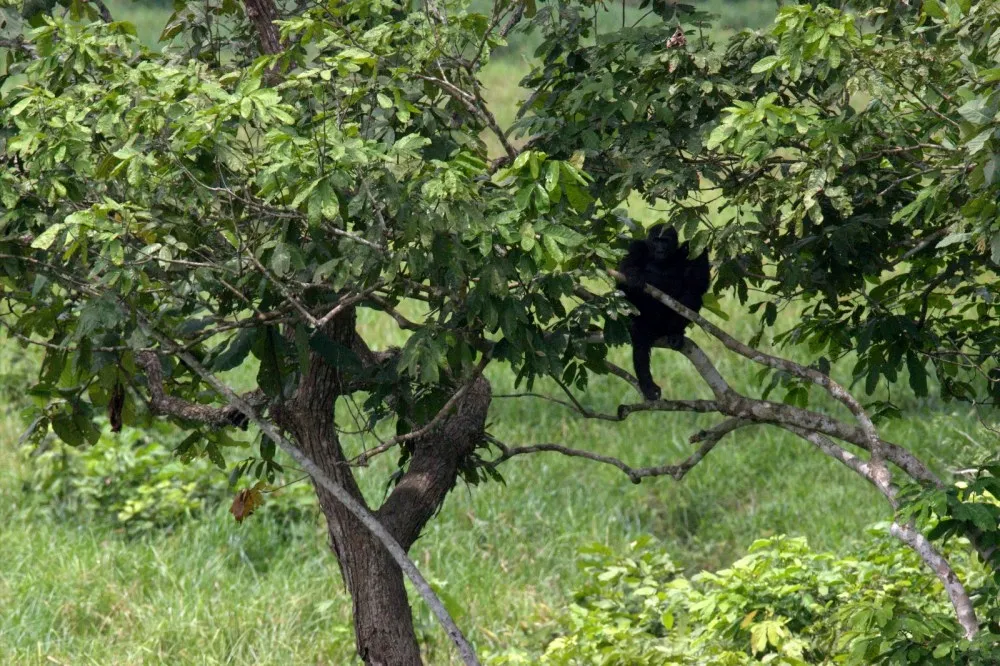
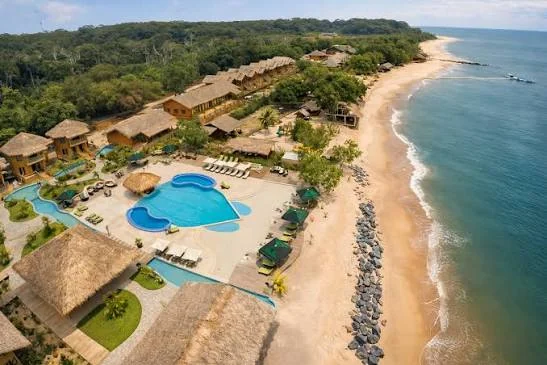
Explore Gabon
Locate the national parks and the country's must-see sites.
A living heritage, not a museum
In Gabon the mask is not a display-case object: it comes out, it dances, it settles disputes and it teaches. Some fifty peoples keep about forty languages alive here, along with initiation societies, sung epics and an art of gesture handed down from generation to generation.
This page presents that heritage as it is practised today — from the banks of the Ogooué to the stages of Libreville, and as far as the Gabonese communities of the United States.
Recognised by the world
Two UNESCO inscriptions enshrine Gabon's cultural heritage.
The Mvet Oyeng
The musical art of the Mvet, its practices and the know-how of the Ekang community are inscribed on the Representative List of the Intangible Cultural Heritage of Humanity. The mvet is both an instrument — a stick zither-harp with calabash resonators — and an epic: the player, the mbom-mvet, sings through entire nights the cycle of the Ekang, the memory and morality of a people.
Ecosystem and Relict Cultural Landscape of Lopé-Okanda
One of the world's rare "mixed" properties, recognised for its nature and its culture alike. It holds some 1,800 rock engravings — circles, concentric rings, abstract motifs. The Ogooué valley was one of the great corridors of the Bantu migration, and its archaeological assemblages bear witness to an almost unbroken human presence.
The masks
Each people has its own. A mask carries a name, a rite and a precise social function.
Okuyi / Mukudji
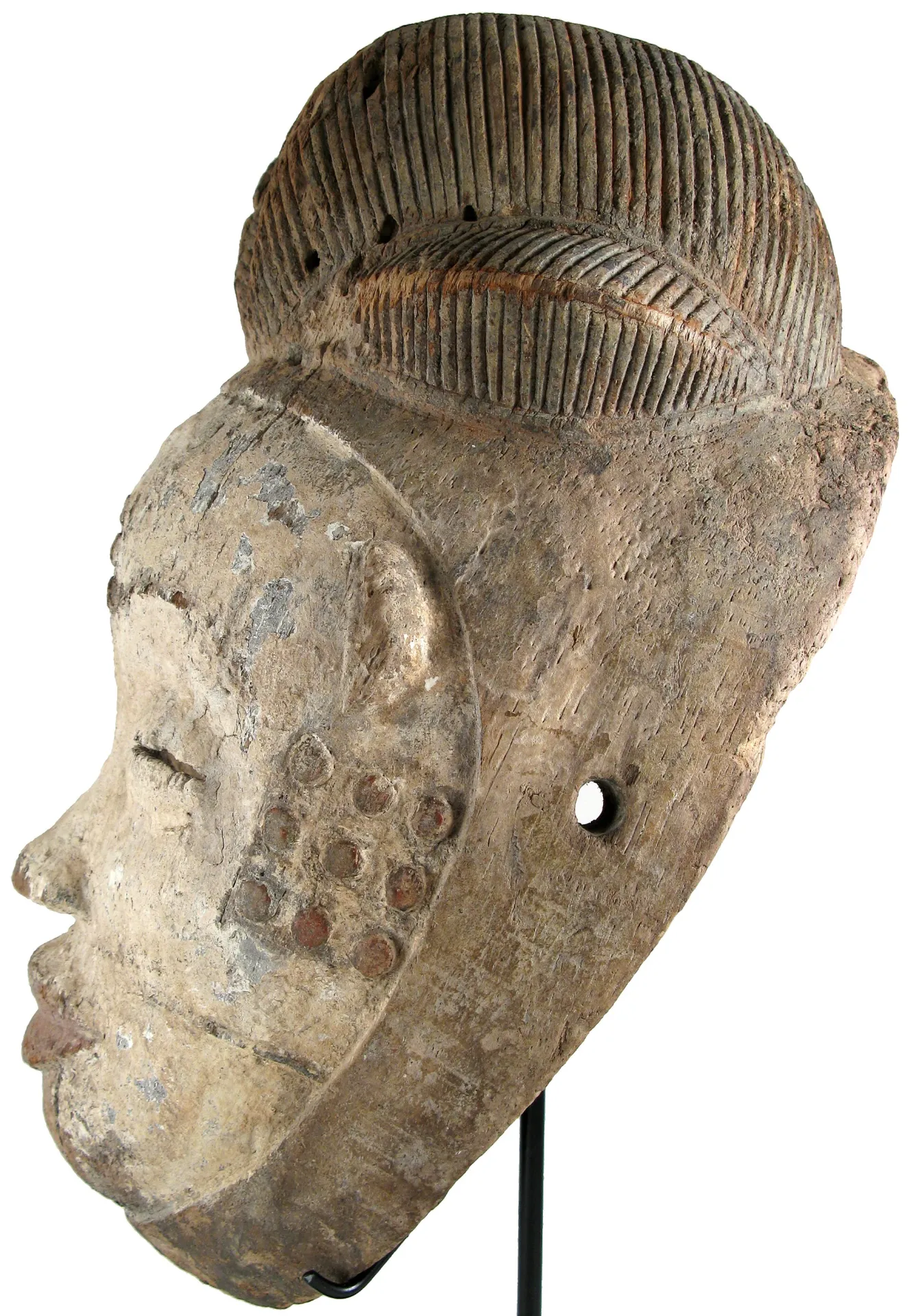
The celebrated white mask with a female face, lowered eyelids and hair dressed in tiered shells. The dancer moves on stilts: the spirit returns among the living and stands above them.
Ngil
An elongated mask, whitened with kaolin, belonging to the most feared of Gabonese masks. The Ngil was the body that held the village together: it appeared to untangle conflicts and dispense justice.
Okukwe
A travelling court. The mask came out in public to order social life, bring disputes into the open and say aloud what the village kept quiet.
Bwété
A reliquary figure sheathed in copper and brass strips, set as guardian over the bones of the ancestors. Its spare lines left their mark on twentieth-century European modern art.
Byéri
Statuary of the ancestors, watching over the reliquary boxes. A face of absolute calm on the sturdy body of a child: the serenity of the dead and the strength of the living brought together.
Emboli
Mask of the Bwiti ceremonies, tied to rites of passage and to the teaching of initiates in the forest temples.
Rites and initiation societies
They teach, they judge, they heal. Each has its songs, its prohibitions and its temple.
Men's societies
- Bwiti
- A rite of passage and a path to knowledge, born among the forest peoples and later taken up by the Mitsogo, Apindji, Punu and Fang. Night-long vigils of song, the ngombi harp and the ritual use of iboga.
- Ngil
- A Fang initiation society, a body of social cohesion and justice, older than the European presence.
- Mwiri
- A society of order and knowledge among the Punu, the Tsogho and the Nzébi; it governs village life and transmission.
- Ndjobi
- A rite of the oath of truth, widespread among the Obamba and the Téké of Haut-Ogooué.
- So
- The great Fang rite of accession to manhood, punctuated by ordeals and songs.
Women's societies
- Ndjembè / Nyèmbè
- The most widespread: the women's initiation society, which teaches young girls the knowledge, the songs and the duties of the community.
- Elombo
- A women's rite of healing and protection, practised notably among the Myènè.
- Lissimbou
- A women's society linked to water and fertility, with its distinctive songs and percussion.
- Ivanga
- A dance and women's society of the South, which has become a widely shared festive expression.
The dances
Each province brings its own step, its drum and its costume.
Ikokou
The stilt dance, performed by the white Okuyi mask: a spectacular feat of balance, several metres above the ground.
Elone
A collective dance driven by drums and clapping, carried by call-and-response singing.
Ingwala
A celebratory dance from the South-East, with rapid hip movements and women's choruses.
Mibambo
A dance from Ogooué-Ivindo, associated with the great community ceremonies.
Ndjembè
A women's initiation dance from the Estuaire, with measured steps and songs of instruction.
Ngwata
A dance from Haut-Ogooué, marked by stamping feet and deep percussion.
The music
From forest instruments to international stages.
The mvet
A stick zither-harp mounted on calabashes. The instrument of the epic, inscribed together with its art on the UNESCO heritage list.
The ngombi
The sacred harp of the Bwiti, often carved with a female face: the instrument is regarded as a person.
The obala & the balafon
Box zither and wooden-keyed xylophone: the melodic backbone of festivities and vigils.
Pierre Akendengué
A major figure of Gabonese music, who blended poetry, the country's languages and a pan-African horizon.
Oliver N'Goma
The voice of Gabonese zouk-soul, whose albums carried the country far beyond its borders.
Patience Dabany · Annie-Flore Batchiellilys · Vickos Ekondo
Three careers that brought the traditional repertoire and contemporary creation into dialogue.
The art of the hand and the art of the table
Mbigou stone
A soft steatite quarried in the Ngounié, which sculptors work into polished figures veined with green, grey or pink. A recognised Gabonese signature.
Ebony, padauk, kevazingo
The precious woods of the equatorial forest sustain statuary and cabinetmaking of great refinement.
Raffia and rattan
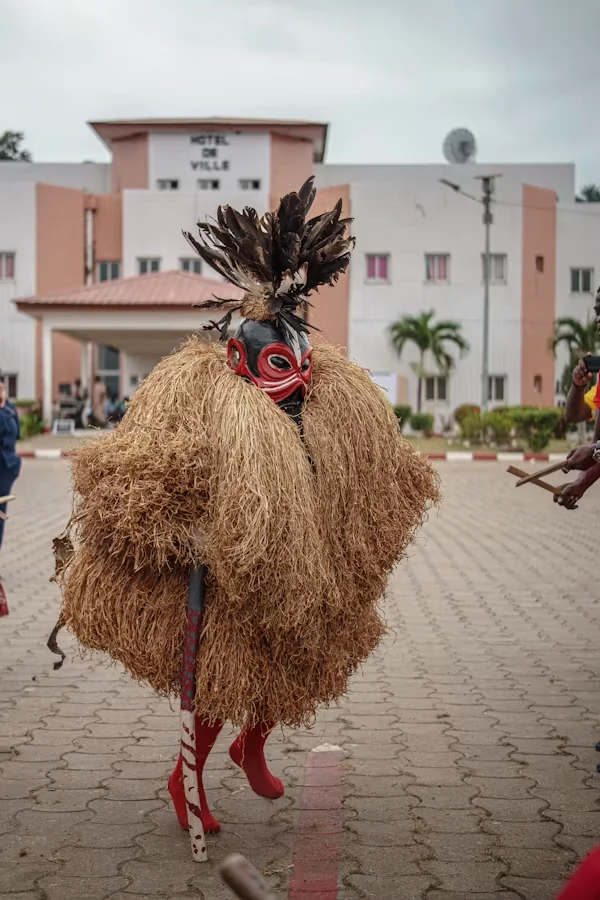
Mats, baskets, mask costumes: raffia clothes the home as readily as the ceremony.
Nyembwe chicken
The national dish: poultry simmered in palm-nut pulp, served with plantain, cassava or rice.
L'odika
"Bush chocolate": a brown paste drawn from the kernel of the wild mango, served with fish and meat.
Cassava leaves & atanga
Pounded leaves accompany every meal; atanga, the African purple plum, is eaten hot in season.
Where to experience it
The National Museum
In Libreville, the National Museum of Arts, Rites and Traditions of Gabon holds some 2,500 objects from the everyday and ceremonial life of the country's peoples.
The Tournament of the Nine Provinces
Every August in Libreville, the nine provinces set their traditional songs and dances against one another. The fullest gathering in the cultural calendar.
Lopé
On the inscribed site of Lopé-Okanda, the rock engravings are found at the foot of the hills, in the unique mosaic of forest and savannah.
Plan your experience
Comment arriver
Flights to Libreville (LBV) from the main African and European capitals.
Quand partir
Long dry season (June–September) for safari; short dry season (December–January) for the beach.
Formalities
Simple, fast e-Visa online; yellow fever vaccination required.
Get our travel guides
Itineraries and tips to help you plan your stay in Gabon.
- 2034 20th St. N.W., Washington, D.C. 20009
- (202) 797-1000
- (202) 332-0668
- Monday to Friday, 9:00 am to 5:00 pm